ClinicOps / Briefings / Perspective
Perspective · Published Aug 7, 2026
How I Run US Practice Operations From 8,000 Miles Away
I build operations systems for US medical practices from Pakistan, and I say so on the front page. Here is exactly how that works, what it can and cannot do, how your data stays untouched, and why I am this open about all of it.
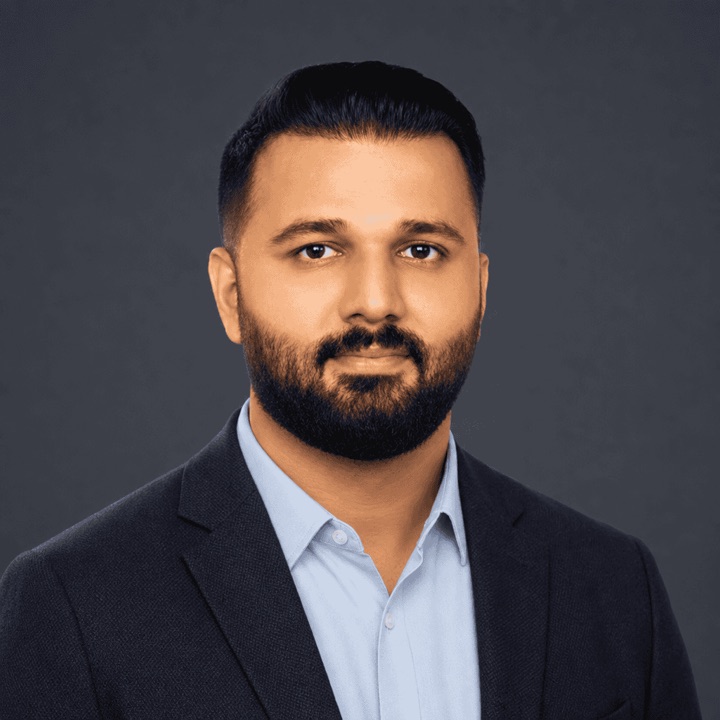 Jareer Ali·
Research & field notes·
10 min read
Jareer Ali·
Research & field notes·
10 min read
I run US practice operations remotely by building systems, not by being in the room. Pipelines, automations, and training live in your own tools and run on your team's screens. No patient data ever enters the project tools, you own every account, and I state the offshore reality plainly because transparency is the only honest way to earn the trust this work requires.
Key takeaways
- The work is building and running systems, which is location-independent. Distance does not make a workflow better or worse.
- No protected health information ever enters the project tools. Systems track chart numbers and status, never diagnoses or identities.
- The time-zone gap is handled with a daily overlap window plus asynchronous work, which is how good operations run anyway.
- You own every board, automation, form, and login. If we stopped tomorrow, nothing leaves with me.
- I state the offshore reality openly, published prices, face on camera, client-owned assets, because concealing it would poison the trust the model needs.
Most offshore operators hide where they sit. They use a US phone number, a Western name, a vague "distributed team." I do the opposite, because the moment you feel something is being concealed, you are right to wonder what else is. So here is the whole thing in the open: I am in Pakistan, I build operations systems for US practices, and I have designed the entire model so that the distance costs you nothing and the transparency costs me nothing to maintain.
The reality, stated plainly
I am a US-experienced operations professional working from Pakistan, building the systems that run prior authorization, credentialing, and staff coordination inside your own ClickUp, Monday, or Asana. That is the fact, and it changes nothing about the quality of a workflow, because a well-built pipeline is well-built regardless of the time zone of the person who built it. The reason this can work is that I am not selling presence. I am selling systems your own team runs after I build them. Presence would have to be local. Systems do not.
How the work actually happens
Day to day, the model has two modes. There is a daily overlap window, real morning-US hours, for live calls: discovery, training, walkthroughs, and anything that benefits from talking. Then there is the asynchronous work, the actual building of boards, automations, forms, and SOPs, which happens inside your tools and does not require anyone to be online at the same time. This is not a workaround for distance; it is how disciplined operations run even when everyone shares a building. Well-designed systems are asynchronous by nature: a task has an owner, a status, and a due date, and it moves whether or not two people are looking at it. The practical effect for you is that you tend to wake up to progress that was made overnight rather than waiting on a to-do list during your own workday.
What remote can and cannot do
Honesty about scope is part of the offer, so here is the line drawn clearly. Remote can design and build your operational systems, automate the follow-ups and alerts that prevent things from slipping, train your staff on recorded and live sessions, monitor how the systems are performing, and hand you owned assets your team runs. Remote cannot stand at your front desk, hand a patient a form, or be the physical body in the room, and it should never touch protected health information. When a need falls on the cannot side, I say so rather than stretching the model to fit, because a consultant who claims to do everything from anywhere is not being straight with you. The work I do makes your on-site team more effective; it does not pretend to replace them.
Every price published, every guarantee stated, before you ever book a call.
Start with a free Leak AuditThe data question, answered by design
The first fair question about any remote operations help is: what happens to our patient data? The answer here is the cleanest possible one, which is that it never enters the picture. No protected health information goes into the project tools. Ever. Operational systems do not need it. A prior auth pipeline tracks a chart number, a status, an owner, and a due date, not a diagnosis or a name. A credentialing tracker watches expiration dates, not patient records. Any demonstration I build uses sample data. This is not a policy I follow carefully; it is a boundary the systems are designed around, so there is no PHI to mishandle in the first place. The full doctrine is in how to run HIPAA-safe project management on chart numbers only.
The objections, answered
A skeptical practice has a short list of reasonable worries, and each deserves a straight answer rather than a reassurance. "What if something needs a person here?" Then that part is not mine to do, and I will tell you so plainly. "Won't the time zone slow everything down?" The overlap window covers live needs and the async model often makes things faster, not slower. "Is our data safe?" There is no patient data in the tools to be unsafe. "What happens if you disappear?" You own every account and asset, so the systems keep running without me. "How do I know the work is real?" You watch it get built in your own tools, on calls, with my face on camera. Notice that every answer points back to the same design choices, owned assets, no PHI, published terms, rather than asking you to simply trust me.
You own everything
This is the part that separates a system installer from a labor rental. Everything I build is created in your accounts and stays there. The boards, the automations, the intake forms, the dashboards, the logins, all yours. If we stopped working together tomorrow, nothing walks out the door, because nothing was ever mine to take. That is deliberate, and it is the opposite of the outsourcing model, where the work lives with the vendor and leaving means starting over. My aim is to make your practice more self-sufficient, so that the best outcome is you needing me less over time, not more. The economics of that choice, and how it compares to hiring, are in the fractional operations breakdown.
Why I am this open about it
I could hide where I sit. Plenty do. I do not, because the entire model runs on trust, and trust cannot survive a concealed foundation. So the offshore reality is met with transparency at every point: prices published so you are never quoted a shaped number, face on camera so you know exactly who you are working with, assets you own so you are never captive, and a plain statement of where I am so nothing feels hidden. That openness is not a risk to manage; it is the product. The same thinking runs through why I publish my prices when almost no one in this market does, and you can see the whole cost structure on the published pricing page.
Where to go next
- HIPAA, ClickUp, Monday and Asana: The PHI-Safe Setup (Chart Numbers Only) live
Run ClickUp, Monday, or Asana in a HIPAA-safe way: keep PHI out with the chart-numbers-only.
- Fractional Operations vs Hiring Another Office Manager: The Real Cost live
Fractional operations vs a full-time office manager: the fully-loaded cost of each, what.
- Why I Publish My Consulting Prices (No One Else in Healthcare Ops Does) live
Why ClinicOps publishes every consulting price when almost no one does, what real pricing.
- Scaling From 2 to 4 Physicians: The Five Systems That Break First live
Growing from 2 to 4 physicians: the five systems that break first, the credentialing trap, and.
Find the leak before you fix it
Two ways to start, both free.
Run the free Rescue Kit and its tools yourself, or book a 20-minute Leak Audit where we put a real number on what this is costing, using your own volume. A diagnosis, not a pitch.
Frequently asked questions
Can you really run US practice operations from overseas?
Yes, because the work is building and running systems, not being physically present. The pipelines, automations, trackers, and training all live in your own tools and run on your team's screens. Distance is irrelevant to whether a workflow is well built.
Do you access patient data or PHI?
Never. No protected health information enters the project tools, ever. Systems track chart numbers and task status, not diagnoses or identities. Any demonstration uses sample data. This is a hard rule, not a preference.
What about the time-zone difference?
It is managed by design. There is a daily overlap window for live calls, and the rest of the work is asynchronous inside your tools, which is how well-run operations work anyway. You wake up to progress rather than waiting on it.
What if I need someone physically in the office?
Then this is not the right fit for that part, and I will say so. Remote work builds and runs the systems your on-site team uses; it does not replace a person in the room. Honest scope is part of the deal.
Who owns the systems and accounts?
You do. Every board, automation, form, and login is created in your accounts and stays with you. If we stopped working together tomorrow, nothing walks out the door, because nothing was ever mine to take.
How is this different from outsourcing to a BPO?
A BPO rents you labor that does the work for you and disappears if you stop paying. I install systems your own team runs and owns. The goal is to make your practice more self-sufficient, not more dependent.
Why are you so open about being offshore?
Because the alternative is hiding it, and hiding it would undercut the trust the whole model depends on. Published prices, face on camera, client-owned assets, and a plain statement of where I sit. Transparency is the strategy.